

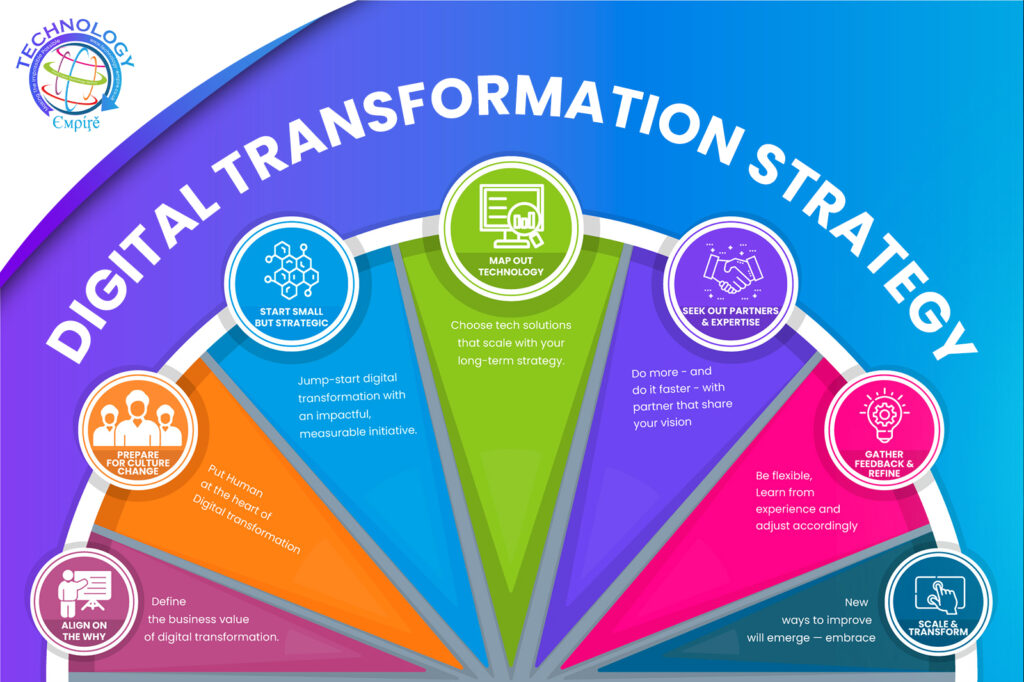
Introduction: The Digital Economy Has Changed Forever
In 2025, digital strategy is no longer something “nice to have.” It is the core engine behind modern business growth. Companies that once survived on traditional operations are now pressured by customer expectations, new technologies, and aggressive digital competitors.
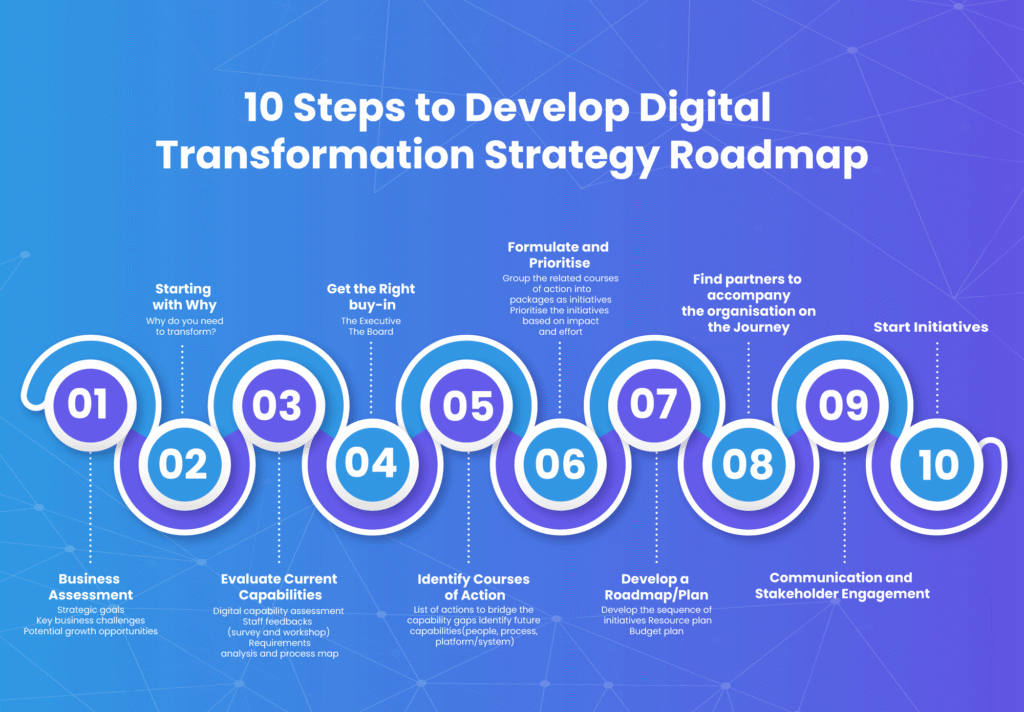
From AI and automation to cloud computing and UX design, digital transformation is reshaping the world — and the businesses that embrace it are pulling ahead faster than ever.
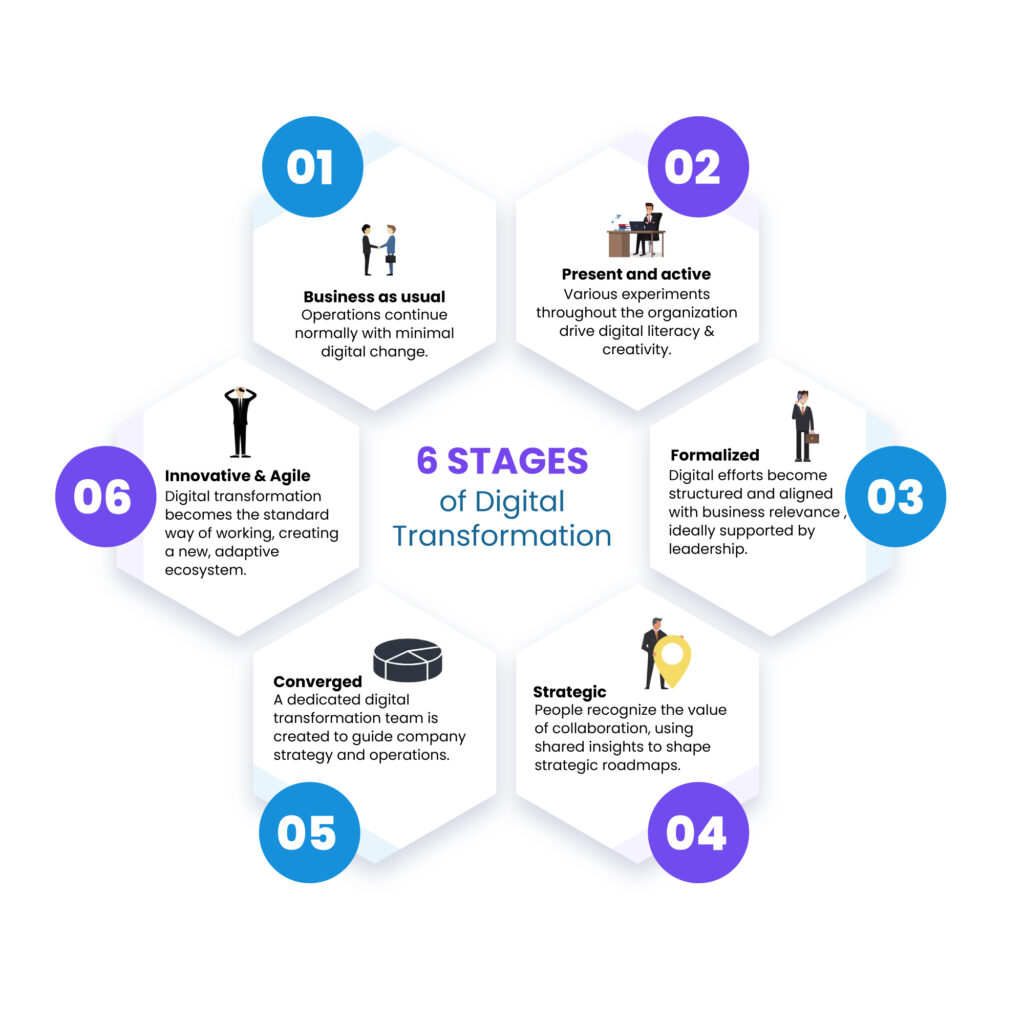
Here’s the truth:
👉 Without a strong digital strategy, a business cannot compete, scale, or stay relevant.
This guide explains why digital strategy matters, how it impacts every part of a company, and how organisations can build a strategy that delivers long-term success.
🔍 1. What Is a Digital Strategy — And Why Does It Matter?
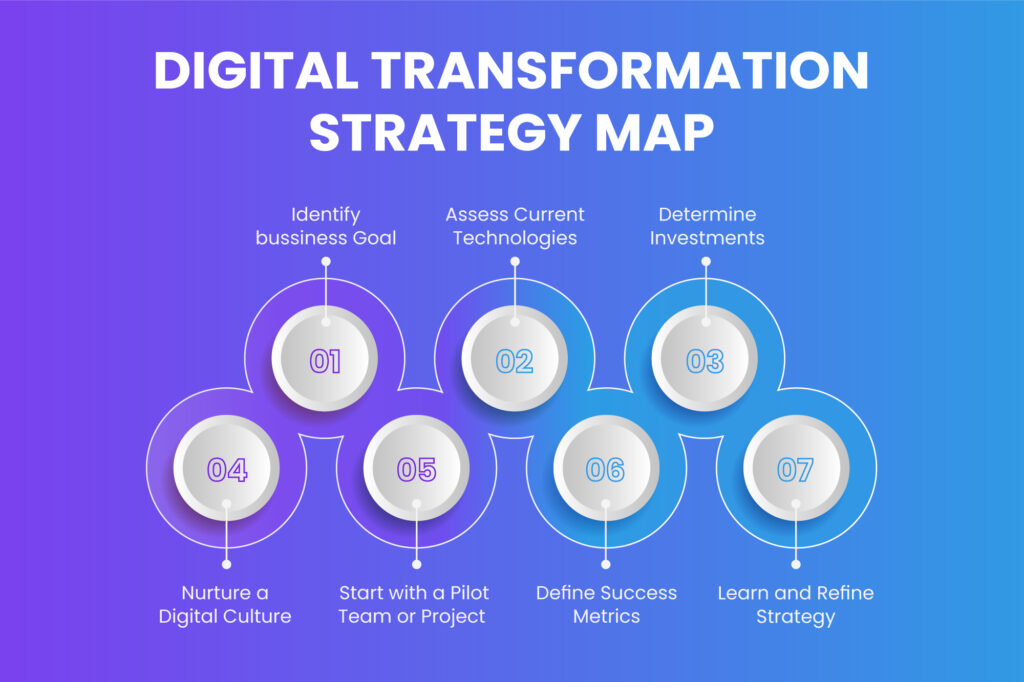
A digital strategy is a clear, structured roadmap that outlines how a business uses technology to reach goals, improve operations, and deliver better customer experiences.
It typically includes elements such as:
- Digital tools
- Cloud platforms
- AI & automation
- Data analytics
- Cybersecurity
- Digital marketing
- UX & interface design
- Process optimisation
- Customer journey mapping
Why It Matters:
Because technology is now the foundation of growth — and companies without a strategy often waste resources, adopt tools they don’t need, or fall behind competitors.
digital strategy, business transformation strategy, digital roadmap
⚙️ 2. Digital Strategy Helps Businesses Stay Competitive

The biggest reason companies need a digital strategy is simple:
👉 Your competitors already have one.
If your business isn’t adapting, automating, and improving digitally, you are already falling behind.
Digital-first companies grow:
- Faster
- Smarter
- More profitably
- With stronger brand loyalty
Traditional companies struggle with:
- Slow decision-making
- Outdated systems
- Inefficient operations
- Poor customer engagement
- High long-term costs
This is why industries across the world — from logistics to finance to retail — have embraced digital roadmaps as essential tools.
📊 3. Digital Strategy Reduces Costs and Boosts Efficiency
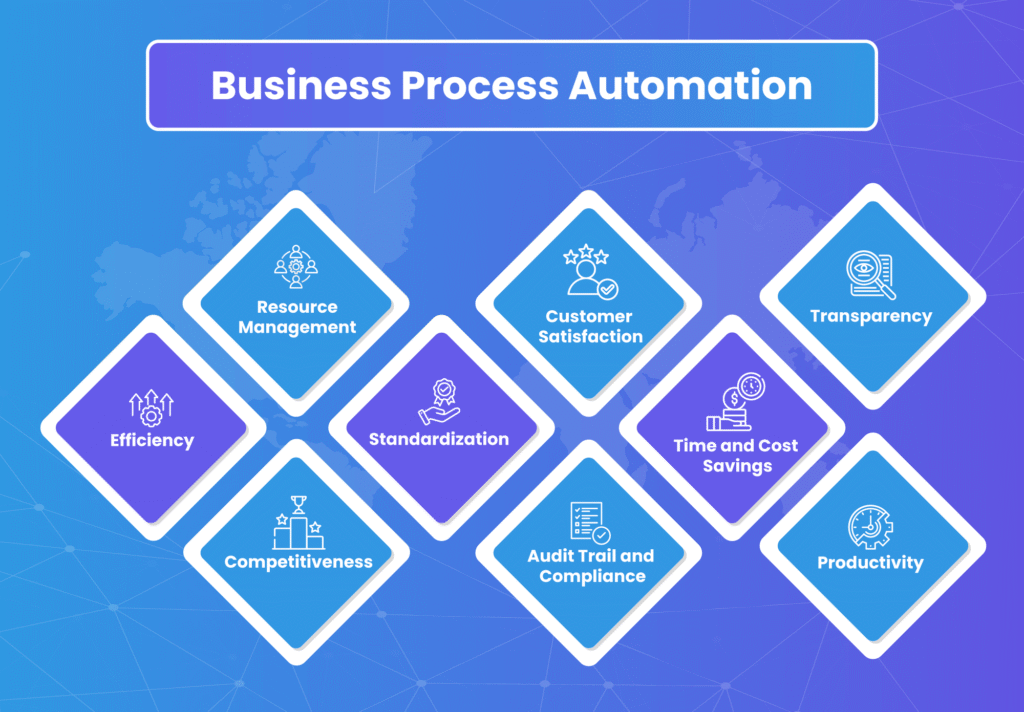
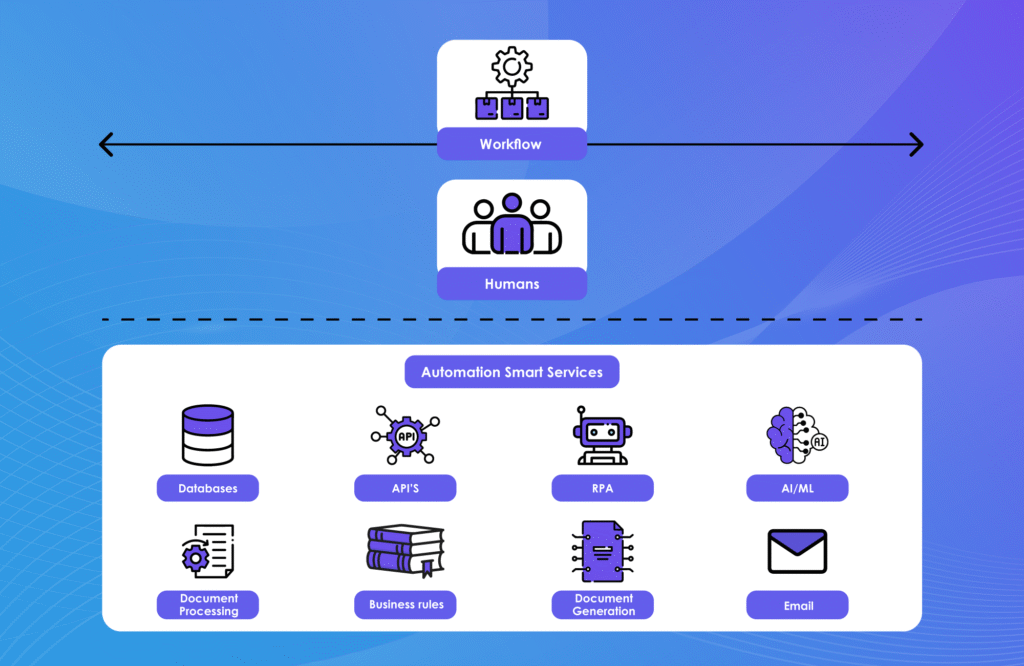
A good digital strategy identifies where technology can:
- Automate repetitive tasks
- Reduce manual labour
- Improve processes
- Streamline communication
- Remove bottlenecks
- Enhance operational visibility
Cost Savings Examples
- Automating customer service reduces staffing costs
- AI-driven data entry removes 95% of human errors
- Cloud migration cuts IT maintenance by 40%
- Digital workflows shorten projects by weeks
Digital strategy isn’t about adding more tools.
It’s about using the right tools to work smarter, faster, and cheaper.
🧠 4. Digital Strategy Improves Customer Experience
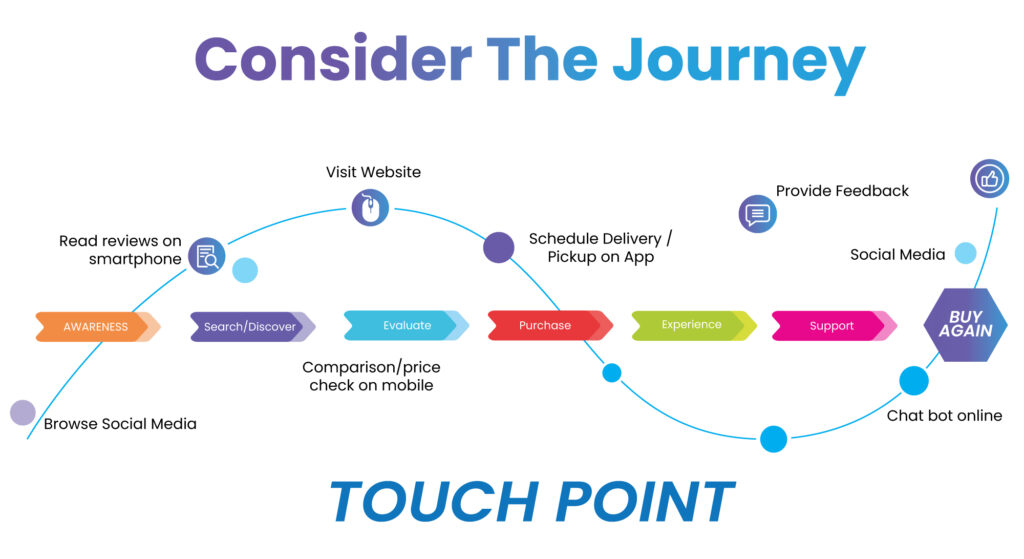
Customer behaviour has changed permanently. People expect:
- Fast responses
- Easy online access
- Personalised interactions
- Frictionless experiences
- 24/7 digital service
A strong digital strategy reshapes the entire customer journey.

Examples
- AI chatbots provide instant support
- UX optimisation improves conversion rates
- Automated follow-ups increase repeat customers
- Personalised marketing enhances engagement
- Modern websites improve brand credibility
Companies that invest in digital customer experience grow revenue 4X faster.
🤖 5. Digital Strategy Allows Businesses to Use AI Effectively
AI is not just “another tool.”
It is the force multiplier behind all modern business.
But AI only succeeds when integrated strategically.
A digital strategy ensures:
- AI is aligned with business goals
- Data is organised and accessible
- Automation supports—not disrupts—teams
- AI enhances decision-making
Without a strategy, businesses risk:
- Using AI incorrectly
- Wasting investment
- Automating the wrong tasks
- Creating data silos
A digital roadmap ensures that AI delivers real value.
☁️ 6. A Modern Digital Strategy Requires Cloud Adoption

Cloud technology is a central part of digital business.
Benefits of Cloud Migration
- Lower costs
- Faster performance
- Stronger security
- Scalability
- Better data management
- AI & automation compatibility
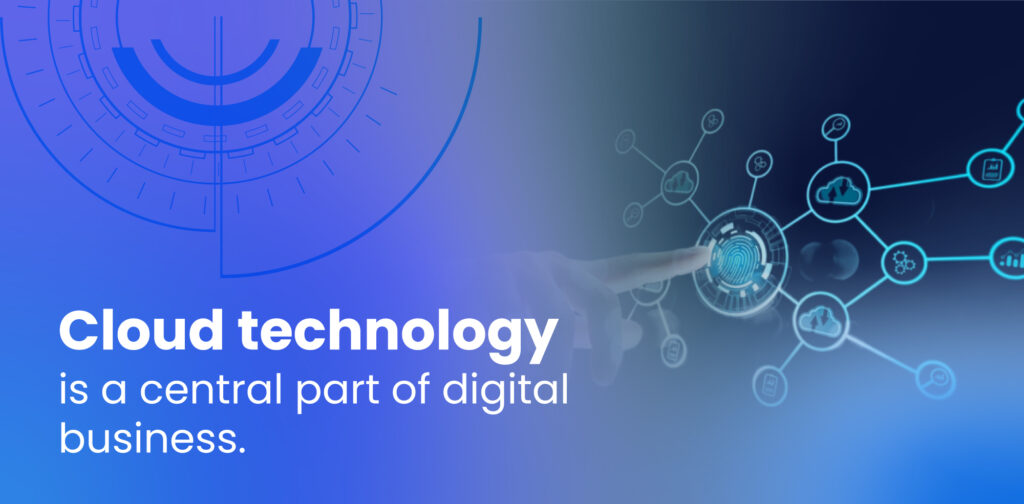
The cloud enables businesses to adopt new technologies without the limitations of old infrastructure.
Fun fact:
Over 90% of companies using AI also rely on cloud systems.
🔐 7. Cybersecurity Must Be Part of Every Digital Strategy

Without strong security, all digital progress falls apart.
A proper digital strategy protects a company by:
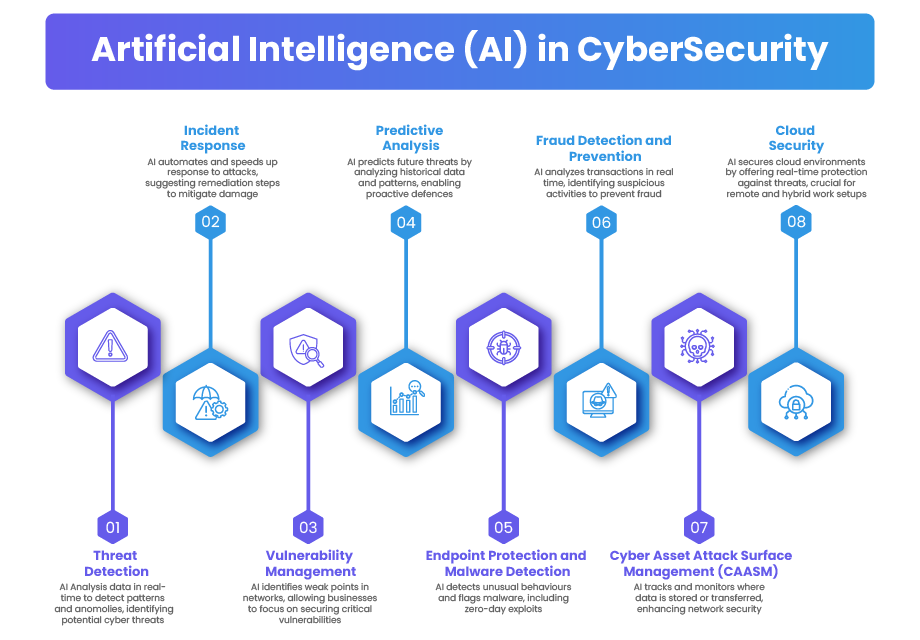
- Detecting threats early
- Managing access control
- Encrypting sensitive data
- Preventing breaches
- Training employees
- Implementing AI-based monitoring
Cyberattacks are increasing, and businesses without a cybersecurity plan face serious risks—financial, legal, and reputational.
📈 8. Digital Strategy Drives Growth, Innovation & Scalability

Technology is evolving fast — and digital strategy ensures businesses evolve with it.
How Digital Strategy Fuels Growth

- Faster decision-making
- Better customer insights
- Improved product development
- Stronger marketing performance
- More innovative solutions
- Expansion into global markets
- Easier scaling with cloud systems
Digital-first companies grow up to 3X faster than non-digital competitors.
🧭 9. How to Build a Strong Digital Strategy (Step-by-Step)
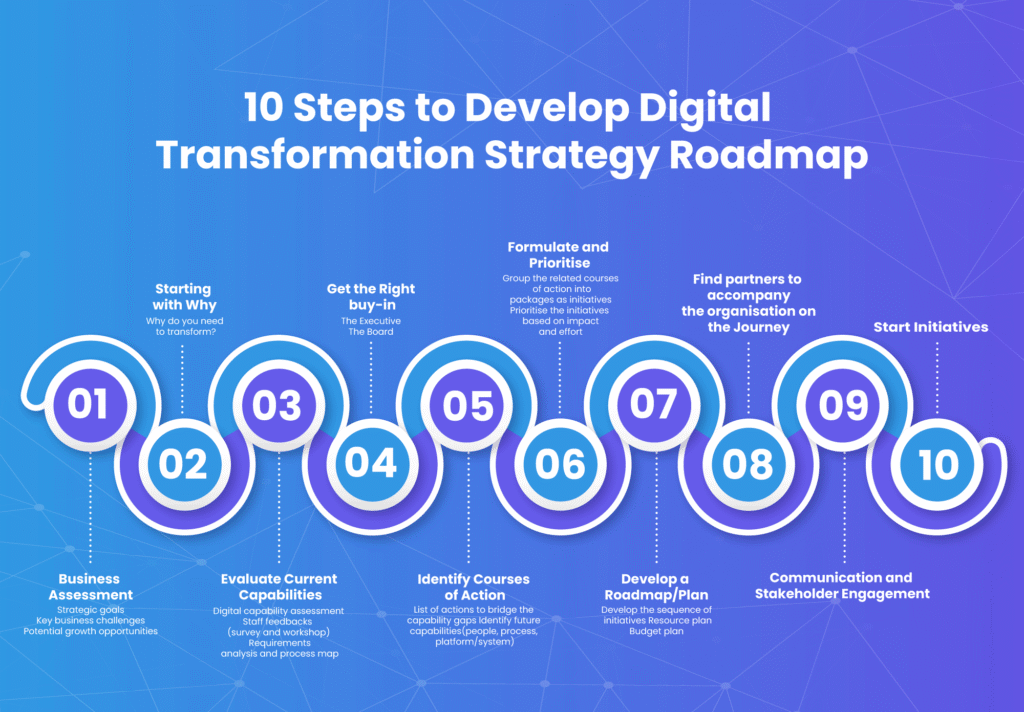
A digital strategy should be structured, measurable, and tailored.
Step 1 — Discovery & Analysis
Identify:
- Business goals
- Current challenges
- Customer needs
- Competitor activity
- Internal capabilities
Step 2 — Research & Data Gathering
Investigate:
- Market trends
- Industry benchmarks
- Audience behaviour
- Technological opportunities
Step 3 — Strategic Planning
Define:
- Digital priorities
- Tools & platforms
- KPIs
- Budget
- Timeline
- Success metrics
Step 4 — Implementation
Roll out:
- New systems
- New workflows
- Cloud solutions
- AI integrations
- UX improvements
Step 5 — Monitoring & Optimization
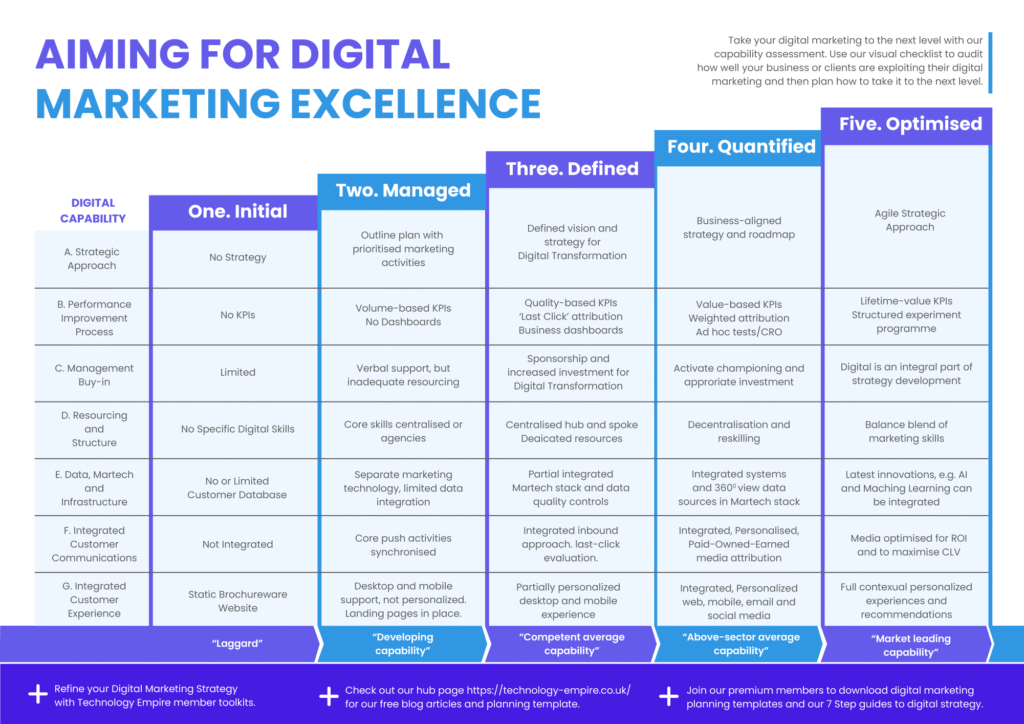
Track progress and refine the strategy continuously.
A digital strategy is not a “one-time project.”
It is a living document.
🚀 10. The Companies Winning in 2025 Are Digital-First
The world’s fastest-growing companies have one thing in common:
👉 They all have a strong digital strategy.
Businesses that succeed today:
- Adopt AI
- Use data to guide decisions
- Prioritise digital customer experience
- Invest in automation
- Build scalable cloud infrastructure
- Maintain strong cybersecurity
Businesses that struggle:
- Operate with outdated systems
- Waste money on inefficient processes
- Lose customers to faster competitors
🏁 Conclusion: Digital Strategy Is No Longer Optional — It’s Essential
A strong digital strategy allows businesses to:
- Innovate
- Compete
- Scale
- Automate
- Enhance customer satisfaction
- Reduce costs
- Improve internal operations
- Build a future-ready organisation
The world has changed — and business must change with it.
A digital strategy is not just an investment in technology.
It is an investment in survival and long-term success.
Technology Empire helps businesses build powerful digital strategies that combine AI, automation, UX design, cloud infrastructure, and data-driven decision-making.