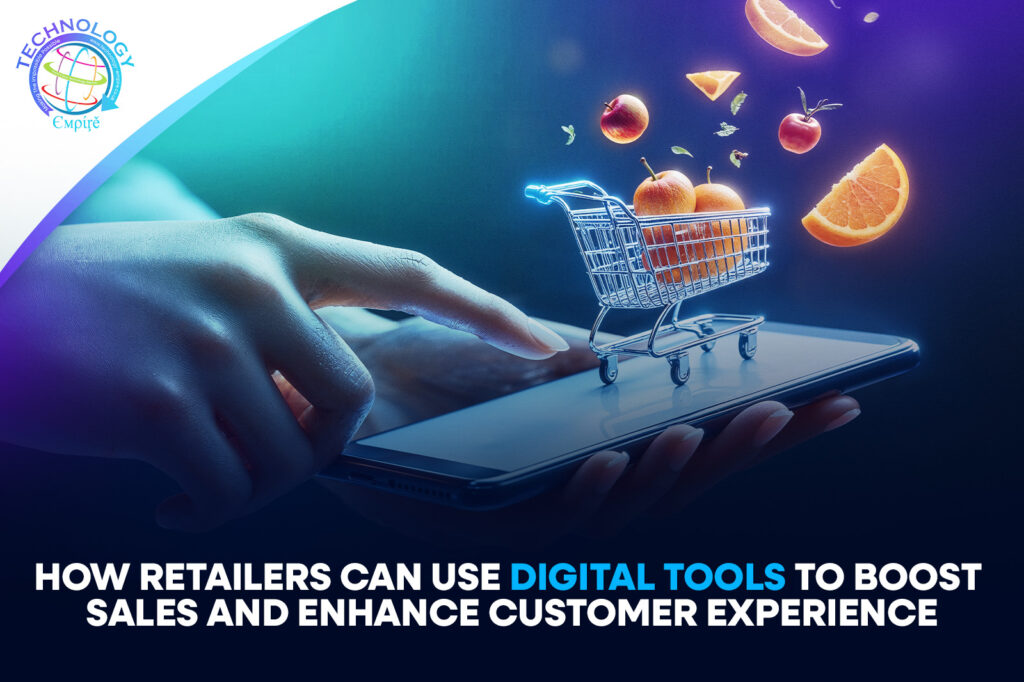
Digital tools have transformed the retail sector, offering powerful ways for businesses to increase sales, streamline operations and create memorable customer experiences. From modern point-of-sale systems to customer insight platforms and omnichannel integrations, even small retailers can now leverage technology that was once only available to large brands.
This guide explores the essential digital tools retailers can use to enhance both sales performance and customer satisfaction — and why adopting retail technology has become crucial for long-term success.
Why Digital Tools Matter for Retailers
Consumer expectations are changing rapidly. Today’s shoppers want speed, convenience and personalised experiences, both in-store and online. Retailers who fail to modernise often face:
- Slower service
- Inaccurate stock management
- Poor visibility across sales channels
- Reduced customer loyalty
- Missed sales opportunities
Digital tools help retailers overcome these challenges by improving the way information flows through the business, supporting staff and creating a more seamless customer journey.
Here’s why digital adoption is essential:
1. Customers expect seamless, personalised experiences
Shoppers compare every in-store experience to the ease of online shopping. Retailers must match the speed, convenience and personalisation customers expect.
2. Technology improves decision-making
Accurate, real-time data helps retailers predict demand, manage stock levels and understand what customers actually want.
3. Digital tools increase operational efficiency
Manual tasks — from stock checks to order processing — slow down service. Automation reduces errors and frees up staff for customer-facing work.
4. Competitive advantage
Retailers who embrace digital innovation stay ahead of competitors and respond faster to market trends.
Improving the In-Store Experience with Tech
In-store technology is one of the fastest ways to improve customer experience and increase sales. When used correctly, it enhances customer satisfaction and supports staff in delivering a smooth, efficient service.
1. Modern POS (Point-of-Sale) Systems
Today’s POS systems do more than process transactions. They provide:
- Real-time stock updates
- Customer purchase history
- Integrated loyalty tracking
- Employee performance insights
- Faster checkout and reduced queues
A modern POS system becomes the retail “command centre”, giving staff the data they need to serve customers quickly and confidently.
2. Self-checkout and mobile payment options
Retailers can reduce waiting times and appeal to customers who prefer quick, contactless transactions.
Benefits include:
- Shorter queues
- Higher transaction volume during peak hours
- Improved customer satisfaction
3. Digital signage and interactive displays
These tools enhance product discovery and allow retailers to showcase:
- Promotions and offers
- Product features
- Seasonal campaigns
- Social proof such as reviews
Dynamic content captures attention more effectively than static posters.
4. In-store Wi-Fi and loyalty features
Offering free Wi-Fi allows retailers to capture customer engagement, promote mobile apps or collect email sign-ups for rewards.
Essential Digital Tools Every Retailer Should Use
Whether you’re a boutique, convenience store or multi-location retailer, these tools provide strong foundations for sales growth and operational efficiency.
1. Inventory and Stock Management Software
Automated stock systems help eliminate:
- Over-ordering
- Stockouts
- Manual errors
With real-time alerts, retailers always know what’s available, what’s running low and what’s selling best.
2. Retail CRM (Customer Relationship Management)
A CRM stores customer details, purchase history and preferences. Retailers can use this to:
- Send personalised offers
- Track loyalty behaviour
- Re-engage past customers
- Reward high-value shoppers
CRM-driven personalisation often leads to repeat purchases.
3. Email and SMS Marketing Tools
Automated marketing platforms enable retailers to send targeted campaigns such as:
- Promotions
- New arrivals
- Back-in-stock alerts
- Birthday discounts
Timely communication increases customer engagement and drives foot traffic.
4. eCommerce Platforms
Having a robust online store supports:
- Click-and-collect services
- Nationwide delivery
- In-store stock reservation
- More visibility for local shoppers
Many eCommerce systems integrate seamlessly with modern POS tools.
5. Staff Scheduling & Workforce Management Tools
Digital scheduling helps allocate the right number of employees at peak times. It improves productivity and reduces payroll inefficiencies.
6. Payment Solutions & Digital Wallets
Accepting multiple payment methods — including Apple Pay, Google Pay and contactless cards — ensures smooth, fast transactions.
Using Data to Understand Customers
Data is one of the most valuable assets a retailer can have. With the right tools, retailers can identify trends and make decisions that directly increase sales and improve customer experience.
1. Sales and buying behaviour
Retailers can analyse:
- Top-selling products
- Slow movers
- Seasonal trends
- Repeat purchase patterns
This information helps refine stock ordering and marketing efforts.
2. Customer demographics and preferences
Digital tools reveal:
- Age and location profiles
- Product interests
- Preferred buying times
- Response to promotions
Understanding these patterns helps retailers create more accurate marketing messages.
3. Predictive analytics
Advanced systems use customer data to forecast:
- Demand surges
- Stock levels
- Buying patterns
Better forecasting reduces waste and prevents stock shortages.
4. Customer feedback and sentiment
Digital review tools help retailers monitor:
- Customer satisfaction
- Common issues
- Trends in feedback
Retailers can use this information to refine their customer service strategy.
Enhancing Online & In-Store Integration
Shoppers no longer differentiate between the online and offline experience — they expect both to work together seamlessly. This is known as omnichannel retail.
Key omnichannel features include:
1. Click-and-collect
Shoppers buy online and pick up in store, encouraging additional purchases during visits.
2. Endless aisle
In-store staff can order out-of-stock items for home delivery, preventing lost sales.
3. Unified stock management
Both channels pull from the same inventory, eliminating confusion and overselling.
4. Unified customer profiles
Customer activity across all touchpoints feeds into one profile — improving personalisation.
5. Social commerce
Platforms like Instagram, Facebook and TikTok now support direct shopping.
When online and in-store systems integrate, retailers create a seamless, professional customer experience that increases loyalty and conversion.
Staff Training & Adoption
Technology only delivers results when staff understand how to use it confidently. Retailers should invest in simple, ongoing training that covers:
- POS and stock systems
- Customer service tools
- Digital communication platforms
- Cybersecurity awareness
- Handling customer data safely
Strong staff adoption increases efficiency, reduces errors and improves customer experience.
Training doesn’t have to be complicated — quick sessions, short videos and on-the-job demonstrations are often enough.
Long-Term Benefits for Retail Businesses
Retailers who embrace digital tools gain long-term advantages that directly impact profitability and growth.
1. Increased sales
Better stock management, targeted marketing and improved customer experience all lead to higher conversion rates.
2. Stronger customer loyalty
Personalisation, seamless experiences and consistent communication build trust.
3. Greater operational efficiency
Automation and integrated systems reduce wasted time, improve accuracy and support leaner operations.
4. Better decision-making
Real-time data gives retailers the confidence to make strategic choices based on evidence, not guesswork.
5. Ability to scale
Digital systems make it easier to open new locations, expand product ranges or broaden sales channels.
Digital transformation is not a one-time event — it is a continuous process that helps retailers grow, evolve and succeed in an increasingly competitive environment.